

What is P-DCPD?
P-DCPD (Polydicyclopentadiene) Molding Process
P-DCPD molding is a high-performance engineering polymer molding technology based on reaction injection molding (RIM). The process involves rapidly mixing two low-viscosity reactive components and injecting them into a mold, where they undergo polymerization to form the finished part. It is widely used in applications such as vehicle lightweighting and the manufacture of large engineering components.
What Can Shuangyi Manufacture Using P-DCPD?
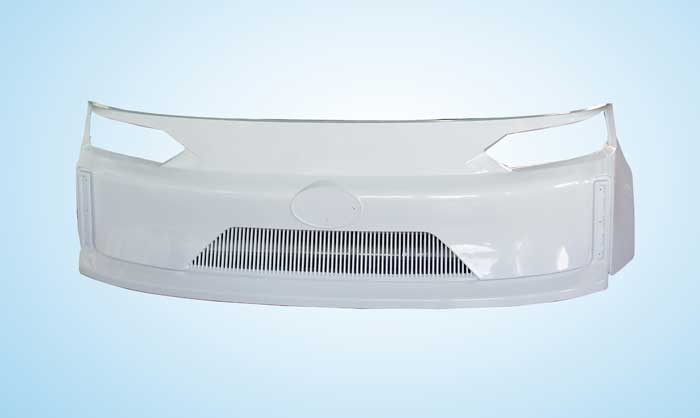
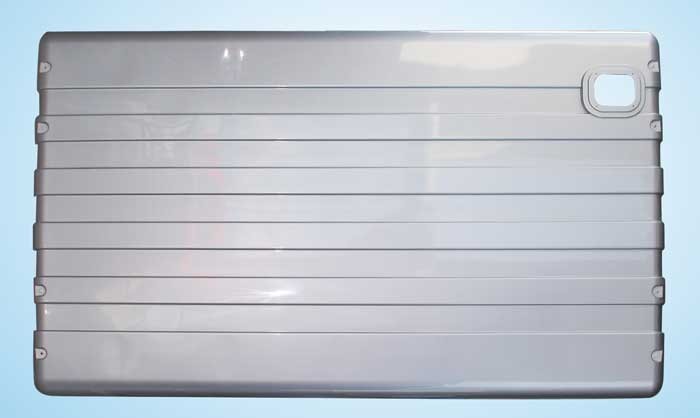
Shuangyi Technology operates two P-DCPD molding systems of different specifications, including one of the largest-capacity P-DCPD systems in our production facility. Using this equipment, we manufacture automotive front panels and lightweight upper battery enclosure covers for BYD electric vehicles. The battery enclosure cover is molded as a single piece and weighs over 60 kg. This demonstrates our capability to manufacture large, complex P-DCPD components for automotive applications.
Representative P-DCPD Products?
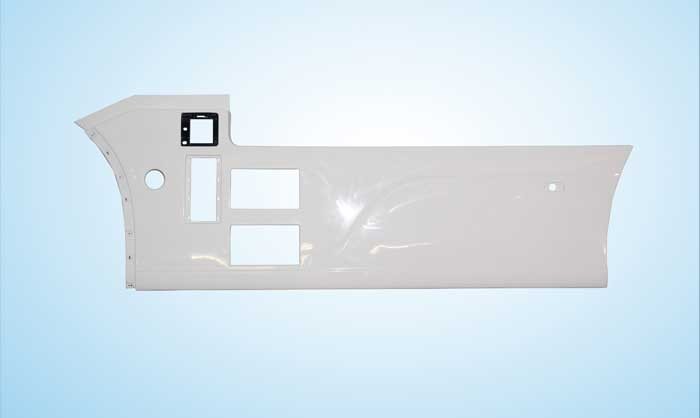
Representative products include battery enclosure upper covers and bus front panels for BYD, as well as interior and exterior components for Yutong buses.
P-DCPD Manufacturing Capabilities?
Engineering Capabilities
Shuangyi Technology has a dedicated team of experienced engineers and designers who work closely with customers to understand their requirements and translate them into detailed engineering drawings. Using finite element analysis (FEA), our team evaluates structural performance and load-bearing characteristics. Drawing on practical manufacturing experience, we recommend design optimizations and improvements, which are then validated and refined through prototype production and testing.
Manufacturing Capabilities
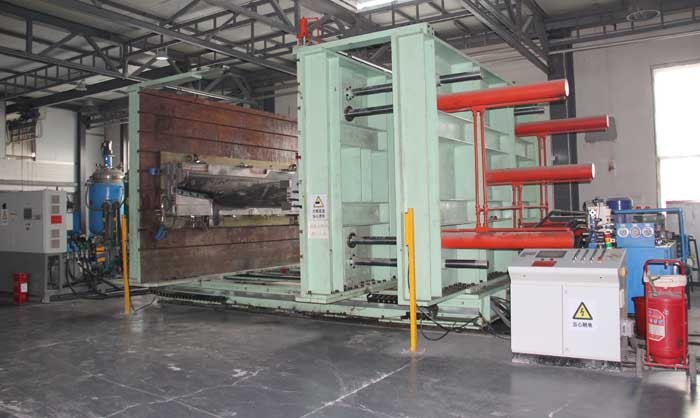
Shuangyi Technology operates two P-DCPD molding systems of different specifications, enabling us to mold components in a range of sizes to meet diverse customer requirements.
When Is P-DCPD Suitable?
P-DCPD molding is particularly well suited for manufacturing large, complex, impact-resistant components. Its applications are concentrated in automotive, commercial vehicle, and heavy equipment industries, where durability, design flexibility, and part integration are key requirements.
P-DCPD is used for large exterior components and can be an alternative to conventional fiberglass-reinforced plastics (FRP) and sheet molding compound (SMC), depending on the application and performance requirements.
Typical applications include:
Heavy-duty truck hoods: A representative application requiring a combination of mechanical strength, heat resistance, impact resistance, and a high-quality surface finish.
Air deflectors and fairings
Mudguard
Exterior body panels
P-DCPD can be used to manufacture components such as bumpers and side panels, offering design flexibility and impact resistance. Environmental compliance, including requirements under regulations such as RoHS and REACH, depends on the material formulation and the finished product and must be verified for each application.
P-DCPD may be used to manufacture selected structural and housing components for power steering systems, subject to the relevant mechanical, thermal, and durability requirements.
P-DCPD enables the integrated molding of large, complex components, including battery enclosure upper covers weighing more than 60 kg. This capability makes it a potential solution for new energy vehicle applications requiring large-format parts, structural integration, and impact resistance.
P-DCPD Applications
1. Requirement Analysis and Engineering Design
Our engineering team works closely with you to understand your actual application requirements and translate your initial concept and specifications into a detailed engineering design. Throughout the design process, we maintain close communication with you to clarify technical details, evaluate load conditions, and determine how the required functions will be achieved.
2. Finite Element Analysis and Design Optimization
We use professional finite element analysis (FEA) tools to evaluate structural performance and assess whether the proposed design meets the project requirements. Based on the analysis results and our practical engineering experience, we provide optimization recommendations to improve the design's feasibility, reliability, and manufacturability.
3. First-Article Prototyping and Validation
The first article is not simply a visual or cosmetic sample. It is used to comprehensively validate the engineering concepts and design assumptions established during the development stage. Your review and approval are essential at this stage. Based on the prototype results and your feedback, both parties work together to refine the design and implement necessary improvements.
This process is fully customized to your product requirements, with adjustments made as needed to achieve the intended performance and functionality.
4. Small-Batch Trial Production and Evaluation
After first-article validation and design refinement, we proceed to small-batch trial production. This stage allows us to evaluate product performance, manufacturing feasibility, process stability, and consistency before committing to large-scale production.
5. Mass Production
Once the product design and manufacturing process have been validated and approved, the project moves into mass production under established quality management procedures to support consistent product quality and reliable delivery.
Related Products
https://www.shuangyitec.com/?list_18/60.html
https://www.shuangyitec.com/?list_18/134.html
https://www.shuangyitec.com/?list_18/136.html