

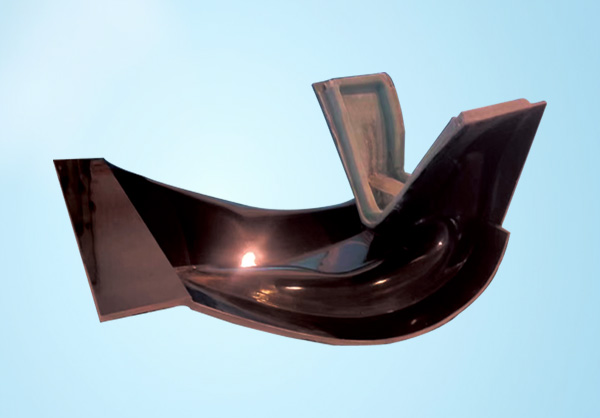
Non-Metallic Composite Molds
Drone Wing Mold:
This type of mold offers flexible forming capabilities and high design freedom.
By integrating solutions such as split-mold design and modular inserts, it is ideal for producing complex curved surfaces and customized products.
Compared to metal molds, it delivers significantly lower material costs, making it a perfect choice for manufacturing composite UAV products under budget constraints or small-batch production requirements.
Shuangyi Technology manufactures customized composite molds for low-altitude aircraft fuselage applications. This mold is designed and manufactured according to customer drawings, technical specifications and dimensional requirements.
The mold uses a composite reinforcement structure combining carbon felt and glass-fiber-reinforced epoxy resin. Depending on the mold design, dimensional accuracy requirements and production objectives, Shuangyi can select a suitable manufacturing process, including VARI (Vacuum-Assisted Resin Infusion) or autoclave molding.
Before manufacturing, our engineering team reviews the customer's drawings and technical requirements, evaluates the material and process options, and confirms the manufacturing solution with the customer. First-article mold manufacturing is then carried out according to the approved technical plan.
Material system: Carbon felt and glass-fiber-reinforced epoxy resin composite structure
Overall dimensions: 1.5 m × 1.3 m × 1.2 m
Machining tolerance of key mold dimensions: ±0.5 mm
Maximum service temperature: 140°C
These specifications describe the referenced mold. Material systems, dimensions, machining tolerances and temperature requirements can be customized according to individual project specifications.
This composite mold is designed for low-altitude aircraft fuselage manufacturing. Its reinforcement structure combines carbon felt and glass-fiber-reinforced epoxy resin to meet the project's requirements for mold strength, dimensional accuracy and service life.
Key features include:
Composite reinforcement structure: Combines carbon felt and glass-fiber-reinforced epoxy resin.
Controlled machining accuracy: Key mold dimensions are manufactured to a specified tolerance of ±0.5 mm.
Temperature resistance: Designed for a maximum service temperature of 140°C.
Customized tooling design: Mold geometry, structure and dimensions are developed according to customer drawings and product requirements.
Durability: Material selection and structural design consider mold strength and repeated-use requirements.
The mold manufacturing process is selected according to its structural design, dimensional accuracy requirements, service temperature, delivery schedule and cost targets.
Shuangyi evaluates different composite tooling manufacturing solutions, including VARI and autoclave molding, to determine the most suitable process for each project.
The manufacturing plan may include:
Composite material selection and reinforcement design
Carbon felt and glass-fiber reinforcement layup
VARI or autoclave manufacturing process planning
Vacuum, temperature and curing process control, as applicable
CNC machining of critical surfaces and dimensions
Dimensional inspection and quality verification
CNC machining requirements, layup procedures, curing temperatures and dimensional tolerances are established according to the approved tooling design and manufacturing plan.
Laser tracking equipment and other professional inspection tools can be used to inspect mold geometry and verify dimensional accuracy against the specified requirements.
Through coordinated material selection, composite molding, machining and inspection, Shuangyi aims to manufacture durable tooling that meets customer requirements and supports reliable production.
Shuangyi provides customized composite mold development and manufacturing services, supporting projects from initial technical evaluation through production and quality control.
The typical project workflow includes:
1. Project Initiation and Joint Development
Shuangyi works with customers to review project objectives, product drawings, technical specifications and application requirements.
2. Finite Element Analysis
Finite element analysis (FEA) can be used to evaluate product structure and loading conditions. Engineering findings are documented to support design decisions and optimization.
3. Technical Review and Initial Design
The engineering team conducts technical discussions with the customer, develops the initial design and provides optimization recommendations based on engineering experience and manufacturing feasibility.
4. Technical and Manufacturing Planning
A coordinated technical, process and production plan is established before manufacturing begins. This includes material selection, reinforcement structure, tooling design, process requirements and inspection criteria.
5. Manufacturing and Comprehensive Review
The mold is manufactured according to the approved technical and production plans. Manufacturing results are reviewed to verify compliance with the agreed requirements.
Shuangyi's manufacturing services cover customized design and development, composite tooling production, intelligent manufacturing and professional quality control.
This customized composite mold is designed for low-altitude aircraft fuselage manufacturing.
The mold structure, material system, dimensions, machining tolerances and service temperature are determined according to the customer's aircraft design and technical specifications.
Other aerospace composite tooling requirements can also be evaluated on a project-specific basis.
Shuangyi works with customers from the initial concept and design stage through tooling development and manufacturing.
The typical development process includes:
Reviewing customer requirements, drawings and technical specifications.
Evaluating product structure, loading conditions and manufacturing feasibility.
Providing engineering recommendations on materials, reinforcement structure, tooling design and manufacturing processes.
Developing customized molds and preparing the manufacturing process.
Conducting first-article verification and evaluating results against agreed requirements.
Improving the design and manufacturing process before subsequent production.
This approach helps align tooling design with manufacturing feasibility, dimensional requirements, service conditions and production objectives.
Q1. Can Shuangyi customize composite molds according to customer drawings?
Yes. Shuangyi develops customized composite molds based on customer drawings, technical specifications and application requirements. Our engineering team can also provide recommendations on mold structure, material selection and manufacturing feasibility.
Q2. What materials are used for this low-altitude aircraft fuselage mold?
The referenced mold uses a composite reinforcement structure combining carbon felt and glass-fiber-reinforced epoxy resin. The material configuration can be evaluated according to the project's structural, dimensional and temperature requirements.
Q3. What are the dimensional specifications and machining tolerances of this mold?
The referenced mold measures 1.5 m × 1.3 m × 1.2 m. Its key mold dimensions are manufactured to a specified machining tolerance of ±0.5 mm.
Q4. Which manufacturing processes can be used to manufacture composite molds?
Depending on the mold structure, dimensional accuracy requirements and project objectives, Shuangyi can evaluate VARI (Vacuum-Assisted Resin Infusion) and autoclave molding as mold manufacturing options.
Q5. What is the maximum service temperature of this mold?
The referenced mold is designed for a maximum service temperature of 140°C. Temperature requirements are considered during material selection and tooling design.
Q6. How does Shuangyi inspect mold dimensional accuracy?
Mold dimensions and geometry are inspected according to the specified technical requirements. Laser tracking equipment and other professional inspection tools can be used to verify critical dimensions and mold geometry.
If you are looking for a customized composite mold manufacturing partner for low-altitude aircraft or aerospace applications, contact our engineering team to discuss your drawings, technical specifications and project requirements.
Email: export@shuangyitec.com
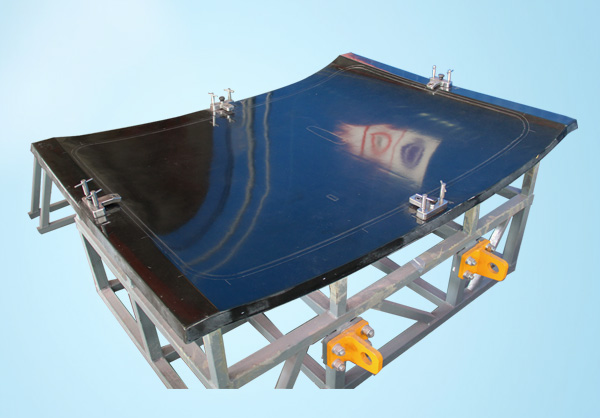
High-Precision UAV Component Mold
Drone Wing Mold
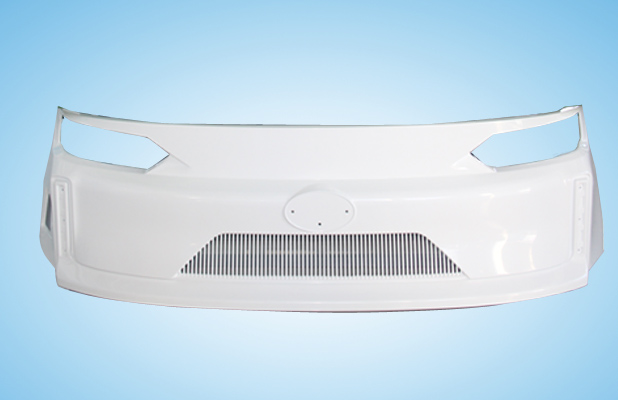
Front cover of construction vehicles
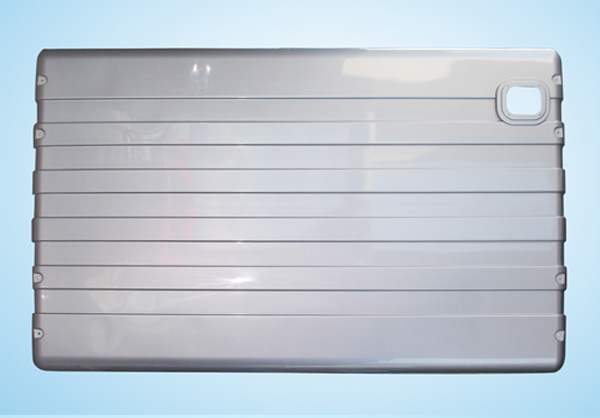
DCPD battery box upper shell
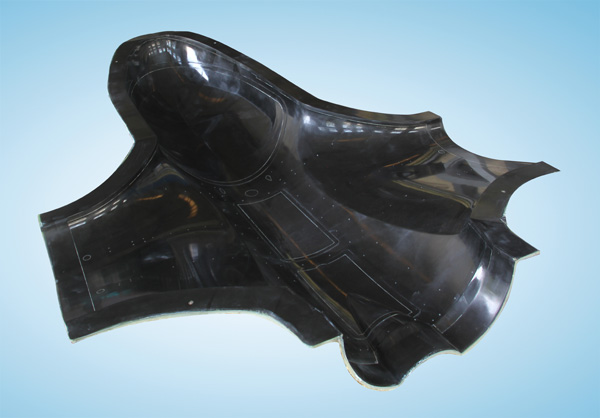
High-Precision UAV Fuselage Mold
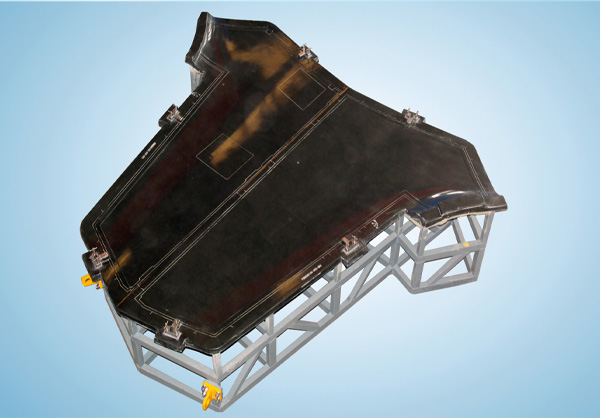
High-Precision UAV Tail Wing Mold
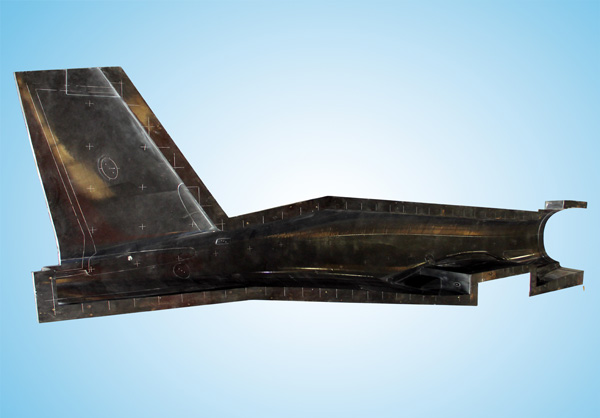
Drone body mold
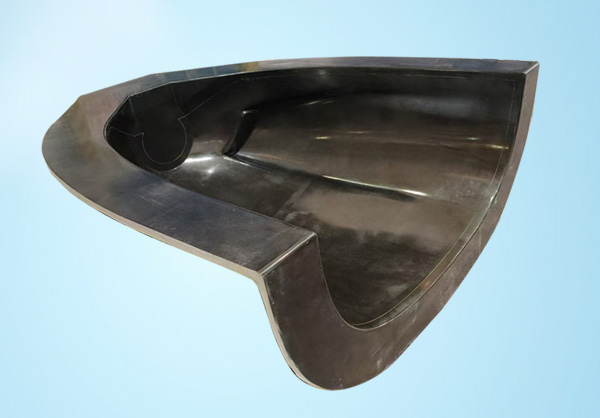
Drone Engine Cover Mold
Leave A Review